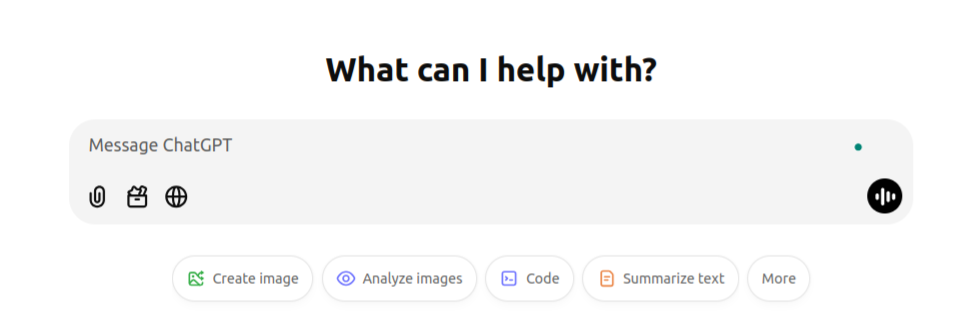
Therapists can use AI to speed up content creation. Since the release of ChatGPT-4 on March 14, everyone in marketing has been talking about it. It’s amazing and even supported by Google for creating content. But AI has its limits. AI offers endless possibilities to elevate your marketing game. It allows businesses to analyze vast amounts of data, optimize campaigns, and generate creative content faster than ever before. However, while AI can save time and boost efficiency, it’s crucial to blend its capabilities with human insight to maintain authenticity and originality. In this blog, we will skim through how AI can transform your marketing efforts and why it’s worth integrating into your process.
AI-Generated Content:
The New Standard
AI-generated content has quickly become the new floor, if your content isn’t better than what AI can produce, it’s not worth creating. That might sound harsh, but it emphasizes the importance of delivering high-quality, engaging content.
The key takeaway here is that while AI tools like ChatGPT can help create content faster, they cannot replace the value of well-thought-out, high-quality material. As a therapist, your content should always provide value to your potential clients. The goal is not just to post content for the sake of posting but to offer something impactful and useful.
Ask yourself: is the content you are creating helpful? Is it something that people will bookmark or share? Is it the best resource available on that topic?
AI can assist in speeding up parts of the content creation process, but the quality should never be compromised. If your content is not offering something meaningful or different from what AI can generate, then it might not be worth the effort.
Why AI Isn’t
the Easy Way Out
Despite how efficient AI is, it doesn’t replace good old-fashioned content creation. Many therapists hoped AI would be an easy shortcut, but it’s not. AI is a tool – a great one, but a tool nonetheless. Sure, ChatGPT can help you speed up certain parts of your work, but it can’t completely take over.
AI helps in various stages of content creation, but it’s essential to put in your own insights and expertise. The content should be both educational and personalized to your specific audience. This ensures that you are offering more than just generic information you are providing valuable insights that come from your unique perspective as a therapist.
AI-generated content can be helpful, but it’s best used alongside your expertise, not as a replacement for it. Always ensure that your personal touch is evident in the final content.
The Growing Role of
AI in Marketing
AI has been a part of our world for years, and its role in marketing continues to grow. Google, for instance, has been using AI in its algorithms since 2015, and its influence on the marketing landscape is undeniable. Therefore, it’s smart to start thinking of AI as a partner in your work.
As AI tools like ChatGPT become more common, you will likely see others in your field start to use them too. The key is to stay ahead by using AI effectively and responsibly. But as you integrate AI into your content creation process, be mindful that more content is being generated by these tools, which can lead to duplication issues in SEO. Always ensure that the content you produce is unique and offers a fresh perspective.
AI’s
Limitations
While AI can assist in content creation, it does have its limitations. It’s important to be aware of these when using AI to write content for your therapy practice.
1. Generic
Tone
ChatGPT tends to produce content with a very neutral or generic tone. While this can be fine for some uses, it may not fully reflect your personality or the unique voice of your practice. To overcome this, always edit and personalize the content AI generates. One way to refine the output is by asking ChatGPT to rephrase the content in a style that suits your tone.
2. Lack of
Updates
ChatGPT’s knowledge base is only up-to-date until 2021. While this isn’t a problem for evergreen topics (like basic mental health advice), it can be an issue for current events or the latest trends in therapy and mental health. You will need to verify any time-sensitive information with other sources.
3. Inaccurate Information
AI models like ChatGPT can sometimes provide incorrect information, known as “hallucinations.” These can range from small factual errors to major misconceptions. Always double-check any facts or figures that ChatGPT generates, especially if you are unsure about their accuracy.
4. Lack of Subjective Insight
AI cannot form opinions or subjective interpretations. While ChatGPT can present facts, it can’t offer your personal insights or reflect your approach to therapy. Your content should blend objective facts with your professional opinions to create a more engaging and useful resource.
5. Bias and Toxic Outputs
Although ChatGPT is designed to avoid conflict, it can still generate biased or inappropriate content. While it’s likely to be caught early, this is something to be aware of, especially when dealing with sensitive topics in therapy.
6. Context Understanding Issues
AI lacks true understanding. It can produce text based on patterns in data but doesn’t “understand” the meaning of words in the way a human does. This can lead to errors in content that seem grammatically correct but don’t make logical sense. Always review AI-generated content to ensure it aligns with your intended message.
How to Use AI for Marketing Effectively
Now that you know about AI’s limitations, here are some ways you can leverage it to boost your marketing efforts while staying authentic.
1. Outlines and Drafts
AI is excellent for generating outlines. For instance, you can ask ChatGPT to outline a blog post on a specific topic, and then you can add your personal expertise, examples, and insights to make it your own.
2. Listicles
If you are creating content like lists (e.g., common symptoms of anxiety), ChatGPT can help compile and organize the information. However, always review these lists to ensure they match your practice’s approach.
3. SEO Elements
AI tools can help you create SEO-optimized title tags and meta descriptions. By including specific keywords, you can improve your content’s search engine ranking and visibility.
4. Content Ideas
Stuck on content ideas? Ask ChatGPT to generate a list of topics for your blog or social media. Whether you want general topics or something more specific, AI can help inspire fresh ideas.
5. Introductions
The introduction of a blog post can be challenging. ChatGPT can give you a starting point by crafting an engaging intro. From there, you can personalize and expand it to match your voice and goals.
Final Thoughts
AI can be a powerful tool for therapists looking to streamline their marketing efforts. However, it’s essential to understand its limitations and use it responsibly. With the right approach, AI can become a valuable partner in your content creation process. Combining AI’s efficiency with your expertise and unique voice, you can produce content that resonates with your audience and helps grow your practice.